CFTC sues Utah to shield prediction markets and partners
A November 6 conference is set on the CFTC’s emergency request against Utah, as operators restrict prediction-market access. No injunction is granted by that order.
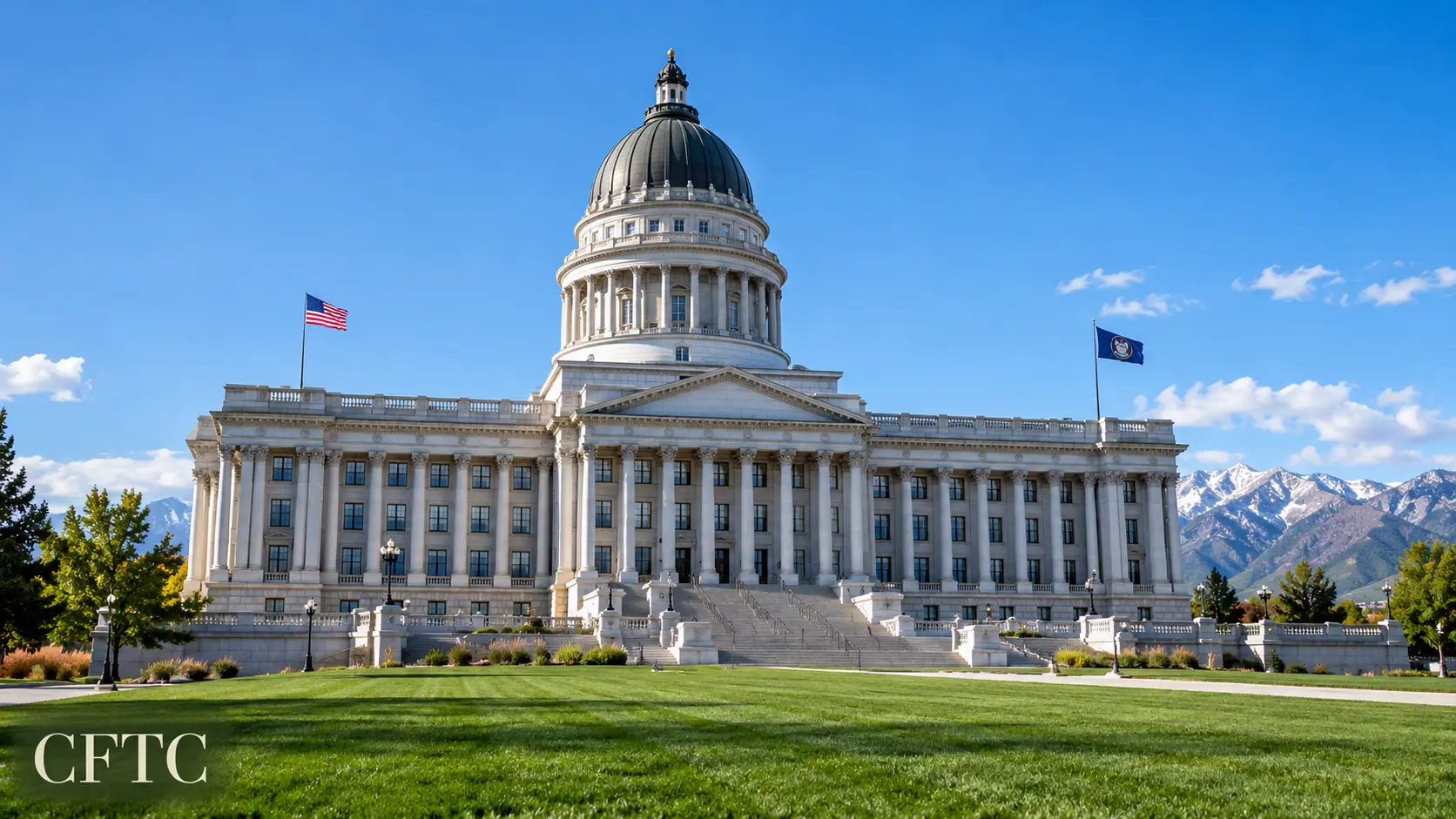
31 October update: A federal judge has scheduled a 6 November conference on the US and CFTC’s emergency request to restrain Utah enforcement. Separately, operators have told other news outlets they are restricting event-contract access in the state.
Conference set on the emergency motion
Judge Robert J. Shelby’s 30 October scheduling order sets an in-person status and scheduling conference for 6 November at 1 p.m. in Courtroom 3.100. The order identifies the government’s motion for a preliminary injunction and temporary restraining order as docket entry 7.
The plaintiffs must provide both defendants actual notice of the order, motion and complaint by 5 p.m. on 3 November and file proof of service by 5 p.m. on 4 November. The scheduling order does not grant an injunction or restraining order.
Operators restrict Utah access
DraftKings confirmed on 29 October that customers physically in Utah could no longer trade sports, political, novelty and certain other event contracts, Legal Sports Report reported. Financial contracts remained available, and existing affected positions would settle normally.
FanDuel told NEXTPredict it imposed similar restrictions on 30 October, retaining economic and financial-indicator contracts. Fanatics told the publication it would stop trade placement in Utah on 4 November. That is a prospective cutoff; its public availability page still listed Utah when checked on 31 October.
Those operator statements were obtained by the cited publications. Their access decisions do not resolve the contested legal status of the contracts.
The original federal complaint
The United States and Commodity Futures Trading Commission have sued Utah and Attorney General Derek Brown, seeking to block state enforcement against transactions on federally regulated prediction-market exchanges.
The complaint was filed October 26 in the US District Court for Utah, case 2:26-cv-01055. The CFTC announced the action on October 27.
The requested protection includes affiliates and partners
On page 32, the government asks for preliminary and permanent injunctions covering investigations and enforcement against CFTC-regulated entities and their “affiliates and partners”. The request is tied to transactions listed, offered or executed on a CFTC-regulated designated contract market.
That scope reaches beyond the exchange’s own operations. It seeks protection for connected businesses when Utah applies its laws to those exchange transactions. The wording does not request an exemption from every state law for every activity a partner undertakes.
The government also seeks a declaration that Utah’s laws are preempted and invalid as applied to those transactions. These are requests for relief. Filing the complaint does not grant them.
Utah’s action names Kalshi entities and trading firms
The federal complaint identifies Utah’s October 20 enforcement action against Kalshi Inc., KalshiEX LLC, Kalshi Klear Inc., Kalshi Klear LLC, Kalshi Trading LLC, Susquehanna International Group LLP and Susquehanna Government Products LLLP.
As summarised in the federal filing, Utah alleges the defendants offered prohibited gambling and seeks to stop the conduct and recover money. The federal plaintiffs argue that the targeted event contracts are swaps governed by the Commodity Exchange Act and fall within the CFTC’s exclusive jurisdiction.
That is the government’s legal position in a contested case. The complaint does not establish a final judicial resolution of the federal-versus-state dispute.
The CFTC’s announcement says it has initiated proceedings against nine other states. Prediction Frontier is also covering New York’s separate effort to obtain Kalshi records.
Updated 31 October with the signed scheduling order and attributed operator-access reports. The original publication date is retained.
Related reading
- Kinetic Markets Selects Solidus Labs for FCM Surveillance
Kalshi ·
- Illinois court blocks gambling-law enforcement against event contracts
Regulation & Policy ·
- Cboe targets November for company-KPI prediction contracts
Market Infrastructure ·