Nasdaq seeks CFTC approval for inflation prediction markets
Nasdaq MRX Futures proposes headline and core CPI prediction markets paying $100 or $0. Its CFTC exchange application remains pending.
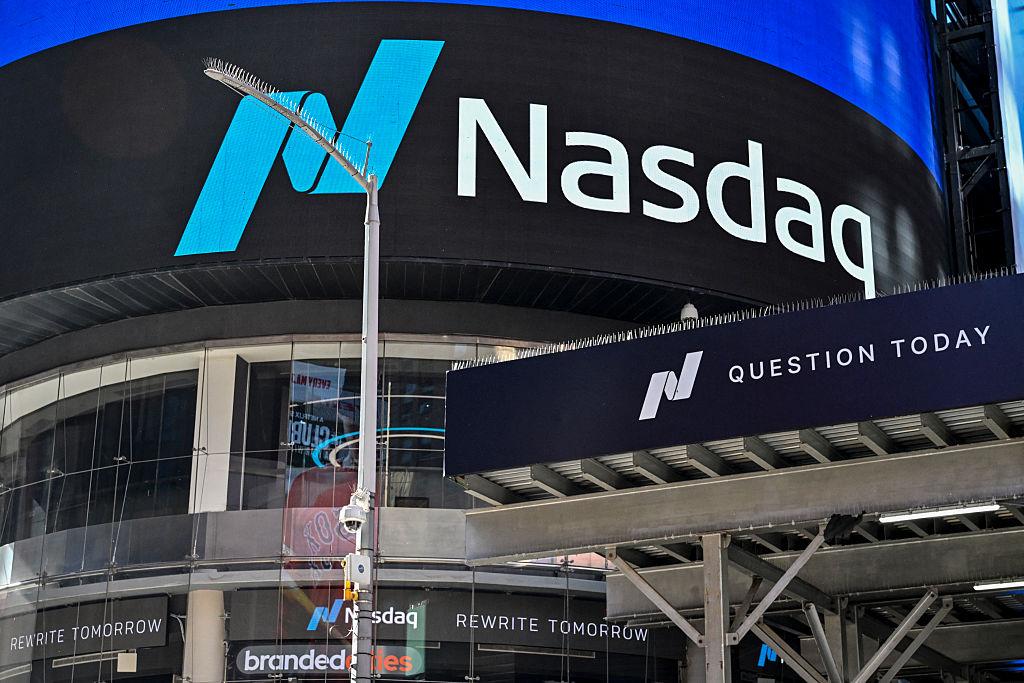
Nasdaq MRX Futures, LLC has applied to the Commodity Futures Trading Commission (CFTC) to operate an exchange for U.S. inflation prediction markets.
The CFTC’s public filing record dates the application to October 26, 2026 and lists its status as pending. The proposed exchange has not yet received approval through this application.
The initial products would let participants take positions on whether the annual U.S. inflation rate exceeds a specified level. The filing provides detailed rules for determining contract outcomes, setting available thresholds and ending trading around the release of official inflation data.
How Nasdaq’s proposed CPI prediction markets would work
The proposed rulebook identifies two initial products: the CPI Year-over-Year Event Contract, listed under the symbol CPIY, and the Core CPI Year-over-Year Event Contract, listed as CPXY.
CPIY would reference the 12-month percentage change in the Consumer Price Index for All Urban Consumers, covering all items and not seasonally adjusted. CPXY would track the corresponding measure excluding food and energy, a commonly used indicator of underlying inflation trends.
Both products would use a binary cash-settlement structure. Each contract would pay $100 if the relevant inflation reading exceeds its designated strike rate, or $0 if the figure does not exceed that threshold.
The proposed contracts would be listed monthly, with strike rates spaced 0.1 percentage points apart. The rulebook calls for at least 15 strike rates for CPIY and at least 11 for CPXY, with the initial ranges centred on the preceding month's reported inflation reading.
Inflation data and proposed settlement times
The rulebook references the initial one-decimal-place figure published by the U.S. Bureau of Labor Statistics for the relevant month. This means the settlement calculation would use the first reported value specified in the rules, rather than a subsequently revised figure.
The draft lists a last trading time of 7:29 a.m. Central Time (8:29 a.m. Eastern) on the scheduled release date. The BLS release calendar schedules CPI data for 8:30 a.m. Eastern.
It separately specifies an expected settlement time of 10 a.m. Eastern, while describing the trading cutoff as one minute before settlement. Those timings are inconsistent in the proposed rulebook and should not be read as a confirmed final schedule.
OCC clearing and NFA regulatory services
Beyond the CPI products, the proposed rulebook covers the exchange's trading procedures, participant requirements, order handling and risk controls. It also provides for block trades and combination orders, which can group multiple contract legs into a single trading strategy.
The filing identifies the Options Clearing Corporation (OCC) in the proposed exchange's clearing framework and provides for regulatory services involving the National Futures Association (NFA). The rules describe functions that include surveillance and investigative support.
These provisions outline the infrastructure Nasdaq MRX Futures proposes to use if its application proceeds. They do not, by themselves, establish that the exchange is authorised to begin trading.
Prediction Frontier previously covered Kalshi’s use of Nasdaq market-surveillance technology. That surveillance arrangement is separate from Nasdaq MRX Futures’ application to operate an exchange.
CFTC approval is still pending
The immediate next step is the CFTC's consideration of the application. Until the regulator grants the required status, the proposed exchange and its CPI contracts remain subject to the pending regulatory process.
Correction, October 27, 2026: The settlement section has been updated to distinguish the proposed trading cutoff from the expected settlement time and flag inconsistent timing language in the rulebook.
Related reading
- Nevis launches prediction-market licences for operators and providers
Regulation & Policy ·
- Cboe targets November for company-KPI prediction contracts
Market Infrastructure ·
- Coinbase prediction markets top $200M in annualised revenue
Finance ·